
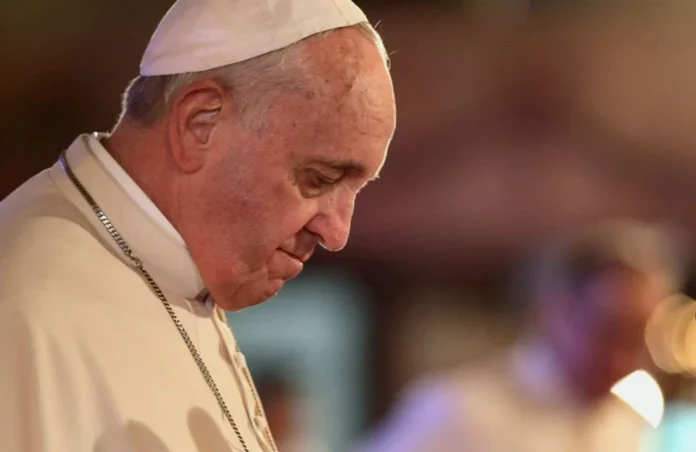
On Easter Monday, after delivering his final public address, Pope Francis passed away at the age of 88—closing a significant chapter as leader of the Catholic Church. His death shortly after such an important holiday sparked reflection on a curious phenomenon: many people seem to “hold on” through important events or dates before passing. While it may appear as sheer willpower or miraculous timing, this process is often far more complex and communal.
Behind these moments are often networks of caregivers, family members, and medical teams working in concert with patients, helping them reach milestones or spend precious time with loved ones. Understanding what truly matters to patients and their families is a vital part of compassionate care—one that transcends purely medical considerations.
The Role of Meaning at Life’s End
When someone receives a diagnosis of a serious, life-limiting illness, the questions that arise go beyond physical symptoms. Psychosocial factors—stress, social support, emotional well-being, and economic circumstances—play a pivotal role in shaping how patients live through their final days, weeks, or months.
As Dr. Michelle Riba, director of the psycho-oncology program at the University of Michigan Rogel Cancer Center, points out, patients are not defined by their illness; they have an illness. Honoring their identity means focusing on what they find meaningful: how they want to spend their time, with whom, and where.
Medical care that incorporates these elements can restore a patient’s sense of control, purpose, and dignity in the face of uncertainty.
The “Will to Live” — More Than Optimism
The idea that a positive attitude can extend life gained popularity in the mid-20th century, with figures like Norman Vincent Peale promoting the power of optimism. Psychologist Martin Seligman’s positive psychology further reinforced the notion that resilience and a hopeful outlook enhance well-being.
However, research has not supported the belief that positivity alone prolongs life or reduces illness risk. Surgeon Bernie Siegel’s claims that staying positive after cancer diagnosis can extend survival were eventually disproved. For many patients, the pressure to “stay positive” actually added guilt and stress, worsening their experience.
More important than mindset alone are the broader social determinants of health. Factors like financial stability, social support, education, and freedom from discrimination heavily influence a patient’s quality of life and longevity. During crises like the COVID-19 pandemic, these disparities became painfully clear.
Empowering Patients Through Meaningful Choices
True patient empowerment lies not in insisting on relentless positivity, but in identifying and nurturing the activities and relationships that bring joy and meaning—even in the midst of illness.
For example, a patient sidelined from work due to treatment may regain control by structuring their days with enjoyable activities and medical appointments. A former marathon runner impaired by illness might find purpose through adapted physical therapy or alternative hobbies that rekindle a sense of vitality. Those unable to attend religious services may benefit from spiritual support brought to their bedside.
Such efforts do more than improve mood—they foster hope and signal to patients that their lives matter beyond the medical diagnosis.
Aligning Treatment With Personal Goals
Hopeful communication between patients and their care teams often leads to better outcomes—not necessarily through prolonged survival, but via enhanced quality of life. This might mean helping a patient plan to attend a child’s graduation or find ways to celebrate special moments, even in modified forms.
Personal stories, like Dr. Riba’s memory of her mother seeing her prom before passing from cancer, remind us how these experiences create lasting meaning beyond clinical milestones.
Interestingly, research has observed patterns where terminally ill patients seem to postpone death until after significant holidays or birthdays. While it’s unclear if the dates themselves or the emotional connections surrounding them matter most, these patterns highlight the human capacity to find purpose and connection until the very end.
Navigating the Challenges of Care
Balancing medical treatment with patients’ goals can be complex. Some wishes, like traveling or attending a distant event, may require flexible scheduling or tailored care plans. Other goals, such as witnessing a child’s wedding decades in the future, may be impossible to fulfill, requiring sensitive conversations about realistic expectations.
Patients, families, and medical teams may hold differing priorities. Open dialogue and empathy are essential to reconcile these perspectives, always centering the patient’s holistic needs.
The Heart of Good Care
Ultimately, quality end-of-life care is about more than managing symptoms. It involves recognizing each person’s unique values and helping them live as fully and meaningfully as possible. Whether that means reaching a milestone, sharing time with loved ones, or simply feeling heard and supported, these elements shape the experience of dying with dignity.
As Dr. Riba reminds us, taking time to understand what matters most to patients and their families isn’t just compassionate—it’s crucial medicine.
Michelle B. Riba, M.D., M.S., is clinical professor of psychiatry and director of the Psycho-Oncology Program at the University of Michigan Rogel Cancer Center. Her work underscores the profound interplay of mind, meaning, and medicine in serious illness.